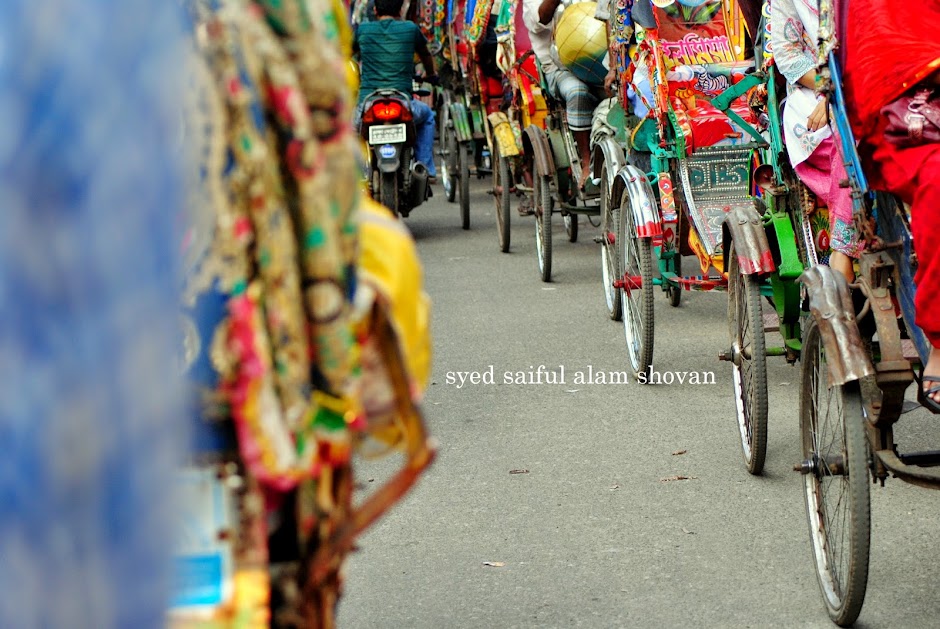
RICKSHAW

Showing posts with label car free. Show all posts

Tuesday, September 29, 2009

world carfree day dhaka 2009


জ্বালানী সমস্যা থেকে উত্তরণের জন্য সর্বপ্রথম ১৯৭০ সালে কারমুক্ত দিবস পালিত হয়। দিবসটি পালনের মূল উদ্দেশ্য প্রাইভেট কার নিয়ন্ত্রণে সচেতনতা বৃদ্ধি করা। পরিবহণ ব্যবস্থায় প্রাইভেট কার বৃদ্ধির মাধ্যমে যানজট, রাস্তাঘাটের নির্মাণ ব্যয়, দূষণ, জ্বালানীর ব্যবহার ও দূর্ঘটনা বৃদ্ধি পায়। এছাড়া বিনোদনের জন্য উন্মূক্ত স্থান ও শিশুদের খেলাধূলার জায়গা কমে আসে। দীর্ঘস্থায়ী নগর পরিবহণ ব্যবস্থা গড়ে তুলতে পথচারী, সাইকেল, রিকশা ও উপযোগী পাবলিক পরিবহণের সমন্বয় করা প্রয়োজন। পাশাপাশি প্রাইভেট কার নিয়ন্ত্রণ করা জরুরী। এ লক্ষ্যে ইউরোপিয়ান বিভিন্ন শহরে ১৯৯০ সালে কারমুক্ত দিবস পালন করা হয়। এরপর ১৯৯৯ সালে ইউরোপিয়ান ইউনিয়ন প্রথম বিশ্ব কারমুক্ত দিবস পালন করলেও ২০০০ সাল থেকে বিশ্বের অন্যান্য অনেক দেশে দিবসটি পালিত হতে থাকে। এখন বিশ্বের অনেক শহরেই প্রাইভেট কার নিয়ন্ত্রণে নেয়া হচ্ছে জোর পদপে।


অল্প জায়গায় বেশি যাত্রী পরিবহণ করা যায় সেই ধরনের বাহনকে প্রাধান্য দিয়ে পরিকল্পনা গ্রহণের উপর জোর দেন। সেক্ষেত্রে বাসের সুবিধা বাড়ানো প্রয়োজন। ঢাকায় বর্তমানে প্রাইভেট কারের ব্যবহার অত্যধিক হারে বেড়ে যাচ্ছে। প্রাইভেট কারে চলাচল নিরুৎসাহিত করতে পাবলিক বাস, হেঁটে ও সাইকেলে চলাচলের সুবিধা থাকা প্রয়োজন। এ সকল সুবিধা না থাকায় ঢাকায় অনেকেই বাধ্য হয়েই প্রাইভেট কার ব্যবহার করছেন। উন্নত বাস সার্ভিস চালুর মাধ্যমে প্রাইভেট কারের উপর নির্ভরশীলতা কমিয়ে আনা সম্ভব। সেক্ষেত্রে যানজট নিয়ন্ত্রণ করা অনেক সহজ হয়ে যাবে। এর জন্য নগর পরিবহণ ব্যবস্থায় পরিবর্তন আনা সম্ভব।একটি বাসের সমান যাত্রী পরিবহণ করতে প্রায় ত্রিশটি প্রাইভেট কার প্রয়োজন পড়ছে। এছাড়া প্রাইভেট কার বৃদ্ধির সাথে সাথে বৈদেশিক মূদ্রার অপচয়, দূষণ, জ্বালানী ব্যয়, দূর্ঘটনা, পরিবহণ খরচ এবং সর্বোপরি যানজট বৃদ্ধি পায়। তাই প্রাইভেট কারের পরিবর্তে মানুষকে বাসে চড়তে উৎসাহী করতে হলে বাস সার্ভিসের উন্নয়ন ও স¤প্রসারণ করা প্রয়োজন। অন্যন্য পরিবহণের সঙ্গে সমন্বয় করে ঢাকার সর্বত্র বাসে চলাচলের ব্যবস্থা করা প্রয়োজন। সেক্ষেত্রে হাঁটা, সাইকেল ও রিকশায় চলাচলের সুষ্ঠূ ব্যবস্থাপনা গড়ে তোলা প্রয়োজন।

পাশাপাশি প্রাইভেট কার নিয়ন্ত্রণে কার্যকর পদপে গ্রহণ জরুরী।পর্যাপ্ত বাস, যাত্রী ছাউনী, বাসের জন্য পৃথক লেন এর ব্যবস্থা করা; নগরভিত্তিক বাস আমদানীতে কর কমানো ও প্রয়োজনে ভর্তূকি দেওয়া; প্রাইভেট কারের আমদানী কর বৃদ্ধি করা; একদিন বেজোড় সংখ্যা এবং অন্যদিন জোড় সংখ্যার লাইসেন্স অনুযায়ী প্রাইভেট গাড়ি চলাচলের ব্যবস্থা করা; নগরের ব্যস্ততম এলাকায় প্রাইভেট গাড়ি চলাচলের ক্ষেত্রে কনজেশন চার্জ গ্রহণ করা; সকল স্থানে পার্কিংয়ের জন্য জায়গা ও সময়ের মূল্যানুসারে পার্কিং ফি গ্রহণ করা; প্রাইভেট কারের লাইসেন্স বরাদ্দ সীমিত করা; শিক্ষা প্রতিষ্ঠান এবং অফিস আদালতে প্রাইভেট গাড়ির পরিবর্তে পাবলিক পরিবহণের ব্যবস্থা করা; প্রাইভেট কার এর পার্কিং হতে প্রাপ্ত অর্থ পাবলিক পরিবহণের মানোন্নয়নে ব্যয় করা প্রয়োজন।


যানজট হ্রাসের অতিসত্ত্বর প্রাইভেট কার ব্যবহারে নিরুৎসাহী করতে বাসের যাত্রীসেবার মান বৃদ্ধিতে পদপে গ্রহণ জরুরী। গত ২৬ সেপ্টেম্বর জাতীয় যাদুঘরের সামনে পরিবেশ বাঁচাও আন্দোলন, নিরাপদ ডেভেলপমেন্ট ফাউন্ডেশন, সিটিজেন রাইটস মুভমেন্টসসহ বেশ কিছু পরিবেশবাদী সংগঠনের সম্মিলিত উদ্যোগে বিশ্ব কারমুক্ত দিবস ২০০৯ পালিত হয়।


Sunday, September 27, 2009

Call for restriction on growth of private cars

Call for restriction on growth of private cars


Green activists held a sit-in at Shahbagh in Dhaka on Monday, demanding restriction on the growth of private cars to end nagging traffic congestion in the capital.
The government must check the growth of private cars and encourage launch of more buses on the roads to ease city’s traffic congestion, they said addressing the sit-in organised by Save Environment Movement.

The government has banned operation of a number of unfit and old buses in the last few days, which has only worsened the plight of the passengers, the green activists said.

Cashing in on the ban, the buses in operation on the roads have started charging extra fair, causing immense sufferings to the city people, they noted.
The government is virtually encouraging use of private cars by restricting operation of old buses although cars are mainly responsible for the traffic jam, they said.

Traffic congestion in the capital city will never come to an end until the government checks the unbridled growth of private cars, the speakers observed.
Stressing the need for launching more buses, the speakers mentioned that a private carries only 3 or 4 people while a bus can transport 30-40 passengers.
Cars often remain parked at roadsides causing severe traffic snarl in different areas of the city, they said adding that the Operation Clean Street has failed to stop traffic congestion in the city.

Tushar Rahman of Citizen Rights Movement, Mahbubul Alam, program manager of WBB Trust and Abu Naser Khan, chairman of the Save Environment Movement, among others, spoke at the programme.


http://www.dhaka-rickshaw.blogspot.com/ Dhaka Rickshaw
http://www.dhaka-transport.blogspot.com/ Pro-people Transport Plan http://www.dhakanewspapers.blogspot.com/ All Newspapers on one click

Syed Saiful Alam
Save the Environment Movement

Monday, September 7, 2009

Cycle Training in Dhaka: More than it appears


Syed Saiful Alam

For four hours a week, one section of a residential street in Dhanmondi comes to life with the shouts of playing children. Boys and girls, age five on up, are on bicycles—a few with training wheels, most without. Some are just learning, guided by a helping hand, while others ride confidently on their own, despite the child’s diminutive size. Teenagers join in the ride, and even a few adults come to learn.

One of the trainers leans down and asks a child, “How do you feel about riding a bike?” “I love it!” exclaims the child. “Which would you rather do, play computer games, watch TV, or ride a bike?” “Ride a bike!” “What if Tom and Jerry cartoons were on?” asks the trainer. “Then what would you rather do?”“Ride a bike!” the child repeats.

It is clear from watching the children that this child is not alone in his fascination for cycling. The other kids of all sizes are also happily absorbed.A few official helpers, themselves aged only 12-15, move around the bicycles and clusters of children with authority, ensuring that everyone gets a chance at a bicycle, helping young children learn, and checking that the bikes are in good condition. A sturdy 14-year-old circulates with a pump and tools, fixing the bicycles when they fall into disrepair. Various adults from the neighborhood also gather, mothers to watch their children with anxiety and pride, father and brothers to help with the program, or just to enjoy the evident pleasure of the children.

A CNG baby taxi driver slows to a stop in front of a large sign featuring Einstein and a Bangla slogan, “Cycling is intelligent transport.” Other vehicles slow down as the drivers and passengers stare at this unanticipated sight of children riding in the street, in a lane marked with small signs with messages such as “Let us play” and “Cycle training is going on”.

The program is run by WBB Trust Thursdays and Saturdays from about 3-5 pm (earlier in winter, later in summer) in front of its office on Road 4/A in Dhanmondi. WBB hopes the program will spread, as people see the need to make better use of all the space usually devoted exclusively to traveling and parking.

Ziaur Rahman Litu, who regularly helps with the program, comments, “Rich children have many advantages; they can get basically whatever they want. But for poor children, they may only get one meal a day. They gain no advantages in school, housing, or other areas. We need to do something for them. I can’t help them to eat, but at least when they come to our program, they are enjoying themselves, laughing, forgetting their hunger and other problems. We want to spread this joy throughout the city.”

The mother of a very overweight boy watches with concern as her child struggles to learn, unable to gain his balance due to his unwieldy body. “I know he needs to lose weight, but where can he play? At home he’s always in front of the TV,” she explains. As her son gains confidence and slowly begins to gain balance, she herself gets onto a bicycle, riding for the first time in years. Though she falls several times and rips her salwar, she is laughing with joy. Soon she sails past her son, shouting to him, “Look at your mother!”A 10-year-old girl is riding for the first time, and slowly gains confidence, only to crash into the footpath and fall over. Her mother runs anxiously over, and someone pulls out a bottle of Savlon. The girl grins, waving everyone away, and gets right back onto the bicycle. Some parents may never have seen this aspect of their children, or perhaps only on a visit to the countryside, where their children run eagerly, climb trees, and forget to whimper or complain over minor pains.

Another mother tells us that her daughter is usually silent, and never mixes with others. But when she saw that children are riding on the street, she suddenly became excited and begged her mother to take her to the class. This child, reluctant to talk to others, who has no friends, suddenly is struggling with persistence to learn, and euphoria breaks across her face as she pedals away from her trainer and rides free for the first time.

Advantages for participants include not only the chance to learn to ride a bike, or to practice the skill, or to enjoy outdoor play, but the confidence of the child helpers in carrying out their job, and the opportunity for rich and poor to mix in a safe setting. For guardians and the others who congregate on the footpaths, this is an opportunity for recreation simply in watching others, laughing at the spectacle of grown men stumbling as they learn, and at the pleasure of children.
WBB Trust explains that in a good city, children can safely walk and cycle to school, traffic systems are not all geared towards the convenience of car drivers but allow others to move safely by other means, office workers can transport themselves by bicycle without cost, and parking for cars does not take priority over play space for children.

Children need play spaces, not just in the home but outdoors, where they can move about freely and mix with other children. Relying on playgrounds and fields in the crowded city of Dhaka is no solution. If children are to have any hope of a happy childhood, with full opportunities for development, then we have to consider turning some of our less trafficked streets into playgrounds, at least a few hours a week, so once again our city can ring with the happy shouts of children.

On a Saturday afternoon, as the street again fills with children and bikes, other children are playing in the only space available for them—the roof of their luxury apartment building. As they toss a ball to each other, the ball frequently falls down on the street, amongst the cyclists. The players congregate on the roof and stare down at the children, perhaps wondering when they, too, will be able to make the street their playground.


www.dhaka-rickshaw.blogspot.com/ Dhaka Rickshaw
www.dhaka-transport.blogspot.com/ Pro-people Transport Plan www.dhakanewspapers.blogspot.com/ All Newspapers on one click

syed saiful alam
shovan1209@yahoo.com

Saturday, August 30, 2008

No Traffic on a Saturday? Well, No Cars, Anyway

Jason Grant
No Traffic on a Saturday? Well, No Cars, Anyway
Bicycles and pedestrians filled Lafayette Street at Canal Street on Saturday, the first day of the Summer Streets program.

By JAVIER C. HERNANDEZPublished: August 9, 2008

At Grand Central Terminal, the trains ran as usual on Saturday. Tourists studied maps, vendors hawked water and magazines ­ but outside, something was off. On one side of the station there were no cars, taxis or delivery trucks. Instead, the street was filled with pedestrians and bicycles.Skip to next paragraphSuzanne DeChillo/The New York Times

Jason Phelps, 34, stepped off the curb, tilted his sunglasses and froze. “I’ve just walked into a swarm of bicyclists,” he told someone on his cellphone. “I don’t know what they want,” he joked, “but I’m going to close my eyes and pray.”

The ding of bicycle bells and the chatter of people on foot replaced the usual automobile noises along 6.9 miles of Manhattan for six hours on Saturday. It was the first day of Summer Streets, the city’s experiment in car-free recreation modeled on similar efforts in Guadalajara, Mexico; Bogotá, Colombia; Paris; and several American cities.

On a path that extended from the Brooklyn Bridge north to Park Avenue and the Upper East Side, thousands of people filled the streets, taking part in activities like street-side tai chi or salsa dancing. Others simply enjoyed the chance to stroll in normally car-clogged streets. In a city where walkers, cyclists and motorists must share limited space, having a major thoroughfare through Manhattan free of cars created a giddy sort of excitement.

Deborah Fried, 48, a tourist from California, rented a bicycle outside the Loews Regency Hotel on Park Avenue. Ms. Fried said she regularly rode her bicycle at the beach near her hometown of Pacific Palisades, but she had never bicycled on her visits to Manhattan .
She said the Summer Streets path felt safe.

“You don’t have to worry and be killed by a taxi,” she said. “To me, this beats bicycling on the beach because you get the flavor of the city.” The route was broken up by three rest stops, where water, maps and first aid were available. The stops also featured music and dance performances, and yoga and other exercise classes. Police officers directed traffic at 24 streets crossing the route.

Rabbi Jonathan Feldman, 47, took advantage of the break in traffic for a walk with his children before morning services. He said he appreciated the early morning quiet on Park Avenue.
“It gives the city a certain calmness that it doesn’t have otherwise,” Rabbi Feldman said.
The city may make Summer Streets, which continues the next two Saturdays from 7 a.m. to 1 p.m., a regular event if it proves to be a success (city officials have said that this would be a subjective measure).

Although Department of Transportation officials said they did not yet have an estimate of how many people turned out on Saturday, Janette Sadik-Khan, the transportation commissioner, praised the debut. “Summer Streets really struck a chord this morning,” she said in a statement.
The plan to close off streets had drawn criticism from shop owners, who feared it would hurt business. But the city assured skeptics that Summer Streets might bring more customers to their stores.

On Saturday, the economic impact remained unclear. Martha Barzola, 37, manager of a Papyrus stationery store on Park Avenue, said that the area around the store during summer weekends can sometimes resemble a ghost town. Because of the increased foot traffic, however, her store achieved its sales goal of $600 for the day within two hours, she said. But Ibrahim Hamzah, an assistant manager for an Edison ParkFast lot on the corner of Lafayette and Great Jones Streets, said he had not had a single customer, in contrast to the 30 or 40 cars that is typical for a Saturday in summer. “The number of times this is going to happen should be minimal,” Mr. Hamzah said. “We’re losing money, and it makes the job boring.”

There were other complaints. One woman, who declined to give her name because she was in a rush, said she had to park several blocks away to get to a medical appointment. Other pedestrians said that some novice riders, still learning to control their bicycles, were a danger to those on foot. Delivery of food to restaurants was disrupted because trucks could not get in.
Taxi drivers had also worried that Summer Streets would reduce the number of people hailing cabs. But Ali Sada, parking his cab for a few minutes at Park Avenue and 57th Street, praised the event.

“All these people are going to be tired when they put their bikes away,” he said. “We’re going to make a lot more money.”

Jason Grant contributed reporting.
J.H. Crawford Carfree
Citiesmailbox@carfree. com
www.carfree.com


www.dhaka-rickshaw.blogspot.com/ Dhaka Rickshaw
www.dhaka-transport.blogspot.com/ Pro-people Transport Plan www.dhakanewspapers.blogspot.com/ All Newspapers on one click